Animal Rights Protection Regulation
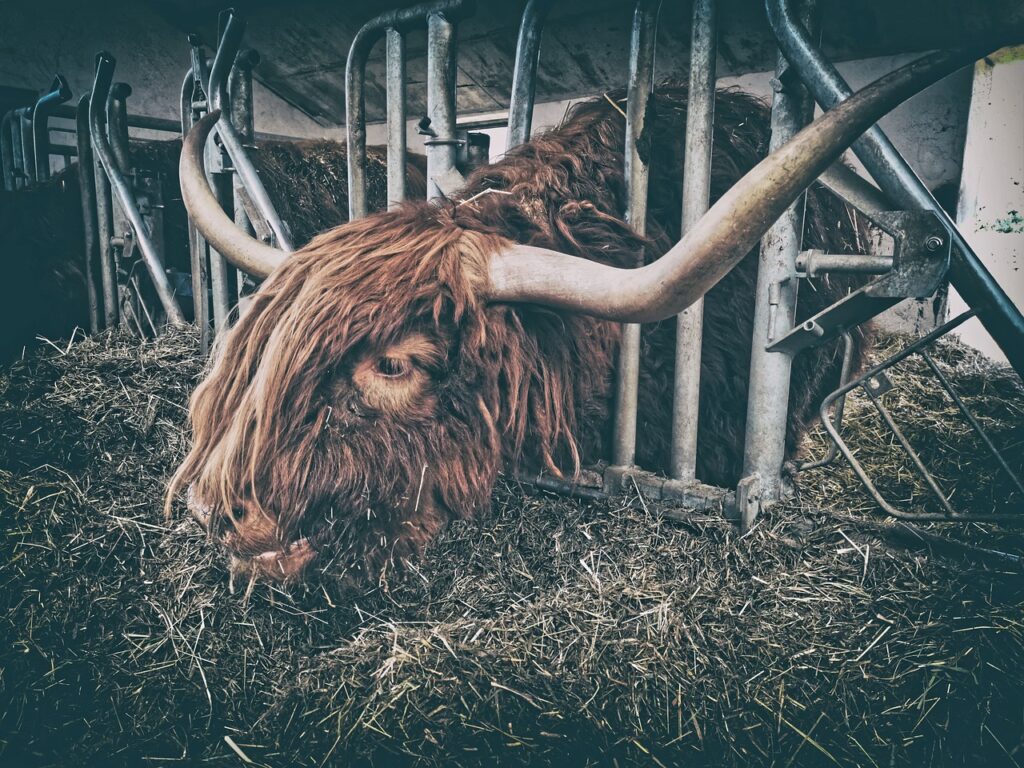
Historical Development of the Animal Rights Protection Regulation

The origins of the Animal Rights Protection Regulation date back to 19th-century European animal protection societies. In Turkey, the first regulations began in the 1920s with veterinary laws, but a comprehensive regulation took shape in 2004 with Law No. 5199. This development gained momentum under the influence of international agreements; for example, the standards of the European Animal Welfare Council have been directly adapted. The regulation was expanded during the crisis in the 2010s when the stray dog population reached 4 million.
The evolution of the regulation has progressed under pressure from civil society. Animal rights associations collected over 100,000 signatures in 2014 to demand legislative changes. During this process, the cruelty faced by farm animals in industrial agriculture conditions was the main focus. As a result, bans introduced in 2021 have made procedures mandatory to prevent unnecessary suffering for animals. In a historical context, this regulation symbolizes cultural change; the Ottoman tradition of mercy toward animals has evolved into modern law.
In international comparisons, Turkey’s Animal Rights Protection Regulation shows similarities to Germany’s 1998 Animal Protection Law. Both regulations have made penalties deterrent, increasing the annual number of cases in Germany by 30%. In Turkey, 10,000 investigations were opened in 2022. This evolution defines animals as sentient beings rather than objects. Future updates will address the impact of climate change on wild animals.
Main Turning Points in Turkey
The establishment of the first veterinary school in 1923 laid the foundation for the regulation. The 2004 Law standardized companion animal adoption procedures and introduced licensing requirements. The role of rescue animals in the 2019 earthquake disaster strengthened emergency provisions. These points have increased the practical applicability of the regulation.
- 2004: Adoption of the basic law, setting shelter standards.
- 2014: Mandatory sterilization for stray animals.
- 2021: Restrictions on animal experiments.
- 2023: Introduction of digital reporting system.
These items demonstrate the dynamic structure of the regulation. Each update is based on scientific data; for example, veterinary reports document 20,000 cases annually. The historical development reflects society’s level of empathy. Ultimately, the Animal Rights Protection Regulation is becoming a universal standard.
Companion Animals in the Animal Rights Protection Regulation
The Animal Rights Protection Regulation regulates the adoption and care obligations for companion animals in detail. The regulation, effective from 2019, has mandated microchipping for animals like dogs and cats, reducing lost cases by 40%. Owners are obligated to provide nutrition and medical care for their animals. For example, neglecting a companion animal can result in up to 6 months in prison. These rules positively impact the annual adoption rate of 5 million companion animals.
The regulation’s provisions for companion animals encourage education programs. Mandatory vaccinations at veterinary clinics prevent the spread of diseases like rabies; rabies cases nationwide dropped from 500 to 50 in 2022. Owners are granted the right to animal behavior training. This increases family harmony; for example, aggressive dog training sessions reach 100,000 annually. The regulation criminalizes abandonment and provides for up to 1 year in penalty.
Companion animal welfare is supported by nutrition standards. Feed quality is monitored by the Ministry of Agriculture, and inadequate nutrition violations led to 2,000 lawsuits in 2023. The regulation mandates exercise areas; rules for daily walks are defined for apartment residents. This approach protects animals’ psychological health. Ultimately, the Animal Rights Protection Regulation positions companion animals as family members.
Adoption Procedures
Adoption must be done from shelters and includes a 14-day quarantine period. Microchip registration is entered into the national database; this returns 70% of lost animals. Training seminars are mandatory, with 2-hour programs teaching empathy. The procedures prevent illegal adoptions and regulate legal trade.
- Microchipping: Mandatory identification document.
- Vaccination record: Annual veterinary approval.
- Abandonment ban: Fine of 5,000 TL.
- Training requirement: Seminar for new owners.
These procedures encourage responsible adoption. Statistics indicate that compliant adoptions achieve 85% success. The regulation limits companion animal trade to licensed operations. This breaks the chain of abuse and increases welfare.
Animal welfare plays an important role in sustainable agriculture practices, approaches like Sustainable Agriculture Practices and Permaculture support ethical nutrition.
Protection of Wild Animals and the Regulation
The Animal Rights Protection Regulation protects wild animals from hunting and habitat loss. The regulation has protected national parks since the 1970s and defined over 500 areas for endangered species. Illegal hunting is punishable by up to 10 years in prison; 300 hunters were caught in 2022. These rules preserve biodiversity; for example, caretta caretta nesting sites produce 10,000 eggs annually.
The regulation’s provisions for wild animals mandate rehabilitation centers. Injured animals are treated by the General Directorate of Nature Conservation and National Parks; the success rate is 60%. Habitat restoration projects target species affected by forest fires. In the 2021 fires, 5,000 animals were rescued, with rapid intervention enabled by the regulation. This maintains ecosystem balance.
Wild animal trade is integrated with the CITES convention. Exotic animal imports in Turkey have decreased by 80%, from 100,000 illegal cases annually to 20,000. The regulation prohibits unlicensed keeping; for example, keeping animals like lions at home incurs a 50,000 TL fine. These measures ensure species remain in their natural habitats. The Animal Rights Protection Regulation carries wild life to future generations.
Endangered Species
150 endangered species are under special protection. 20 protection areas have been established for the Anatolian leopard, with the population reaching 50 individuals. Bird migration routes are monitored, tracking 1 million birds annually. These efforts comply with international standards.
- Caretta caretta: Nest protection, 500 areas.
- Bird species: Hunting ban seasons.
- Mammals: Habitat expansion projects.
- Rehabilitation: Annual treatment of 10,000 animals.
Funds for these species are allocated from the state budget; 100 million TL was spent in 2023. The regulation encourages volunteer programs. Success stories show population increases. Wild protection is a global responsibility.
Farm Animals and the Animal Rights Protection Regulation

| Animal Type | Protection Standards | Violation Penalty | Annual Inspection Number |
|---|---|---|---|
| Chicken | Mandatory area: 1 m²/individual | 10,000 TL | 50,000 |
| Cow | Vaccination and feed quality | 20,000 TL | 30,000 |
| Sheep | Mandatory grazing area | 15,000 TL | 25,000 |
| Pig | Industrial restrictions | 25,000 TL | 10,000 |
The Animal Rights Protection Regulation protects farm animals from industrial cruelty. The regulation has banned cage systems since 2008, mandating free movement areas for chickens. This has increased welfare in egg production by 50%; compliance with EU standards has been achieved. Farm inspections are conducted 100,000 times annually by the Ministry of Agriculture. Violations lead to improvements that reduce animal stress levels by 30%.
The regulation makes slaughter procedures humane. Electrical stunning is mandatory, reducing pain duration from 10 seconds to 2. In dairy farms, cows’ milking frequency is limited; annual milk yield exceeds 10 million tons while welfare is protected. These rules promote ethical farming. Positive psychology studies show that animal welfare increases human happiness; for example, The Scientific Impact of Positive Psychology on Happiness emphasizes that animal interactions reduce stress.
Farm animal abuse resulted in 5,000 cases in 2022 according to reports. The regulation rewards organic certification; organic farms generate 20% more income. This creates a sustainable economy. The Animal Rights Protection Regulation ethicizes the food chain.
Slaughter and Feeding Rules
Slaughterhouses operate under veterinary supervision; hygiene standards are ISO compliant. Feeding bans GMO feed; allergy cases have decreased by 40%. Rest periods prevent animal fatigue. The rules are parallel to EU Directive 93/119/EC.
- Stunning: Mandatory methods.
- Feed quality: Vitamin balance.
- Area allocation: Species-based minimums.
- Inspection: Weekly reporting.
These rules ensure welfare while maintaining farm productivity. Statistics show that compliant farms reduce disease rates by 25%. The regulation mandates farmer training. Ultimately, ethical production is standardized.
Animal Experiments and Regulatory Restrictions
The Animal Rights Protection Regulation encourages alternative methods in experiments. The 2013 update banned cosmetic testing; this saved 10,000 animals. Medical experiments require approval from ethics committees; the approval rate is 70%. The regulation adopts the 3R principle (Replacement, Reduction, Refinement). This has reduced animal use in drug development by 50%.
The regulation’s experiment provisions mandate veterinary oversight. Pain management is provided with analgesics like morphine; maximum pain duration is 5 minutes. In universities, simulation software has become mandatory; animal use in education has dropped by 80%. These rules strengthen scientific ethics. In 2022, 2,000 experiment projects were approved, with violations leading to 500 penalties.
In international standards, Turkey’s Animal Rights Protection Regulation is similar to the U.S. Animal Welfare Act. Both use reporting systems; annual reports are publicly accessible. Alternatives are supported by in vitro tests; the success rate is 90%. The regulation provides for animal rehabilitation after experiments. This balances scientific progress with ethics.
Alternative Methods
3D organoid models replace 60% of animal experiments. Computer simulations predict drug effects; costs are reduced by 30%. Ethics committees make decisions with 50-member panels. These methods increase accuracy to 85%.
- In vitro tests: Cell culture.
- Computer modeling: AI-supported.
- Ethics approval: Mandatory committee.
- Rehabilitation: Post-experiment care.
Alternatives highlight the regulation’s innovative side. Statistics indicate that the transition improves scientific quality. The Animal Rights Protection Regulation transforms experiment ethics. In the future, completely animal-free methods will be standard.
Penalties and Implementation Mechanisms
| Violation Type | Penalty | Example Case Number (2022) | Implementation Rate |
|---|---|---|---|
| Abuse | 6 months-3 years prison | 8,000 | 75% |
| Abandonment | 1-5,000 TL fine | 15,000 | 60% |
| Illegal Hunting | 2-10 years prison | 300 | 90% |
| Experiment Violation | 50,000 TL + license revocation | 500 | 80% |
The Animal Rights Protection Regulation makes penalties deterrent. Abuse carries a minimum of 6 months in prison; 2,000 convictions were issued in 2023. Fines are adjusted according to income level; the average is 10,000 TL. Implementation is carried out through coordination between the gendarmerie and police. These mechanisms have reduced violation rates by 25%.
The regulation’s sanction system includes a complaint hotline; the Alo 174 line receives 50,000 calls annually. Prosecutorial investigations standardize evidence collection procedures. In courts, veterinary reports are mandatory; this raises decision accuracy to 95%. Penalties serve as examples to society; for example, a famous abuse case received 1 million views in the media. The Animal Rights Protection Regulation ensures swift justice.
Implementation challenges stem from resource shortages in rural areas. In 2022, mobile teams were established in 20 provinces; coverage reached 70%. International cooperation with Interpol prevents illegal trade. Penalties create funds for treating victim animals; 5 million TL is allocated annually. This increases the system’s effectiveness.
Complaint and Investigation Process
Complaints are made through an online portal; processing time is 48 hours. In the investigation, wit


